
Why Infill Inspection Matters More Than You Think for Lasting Turf Performance
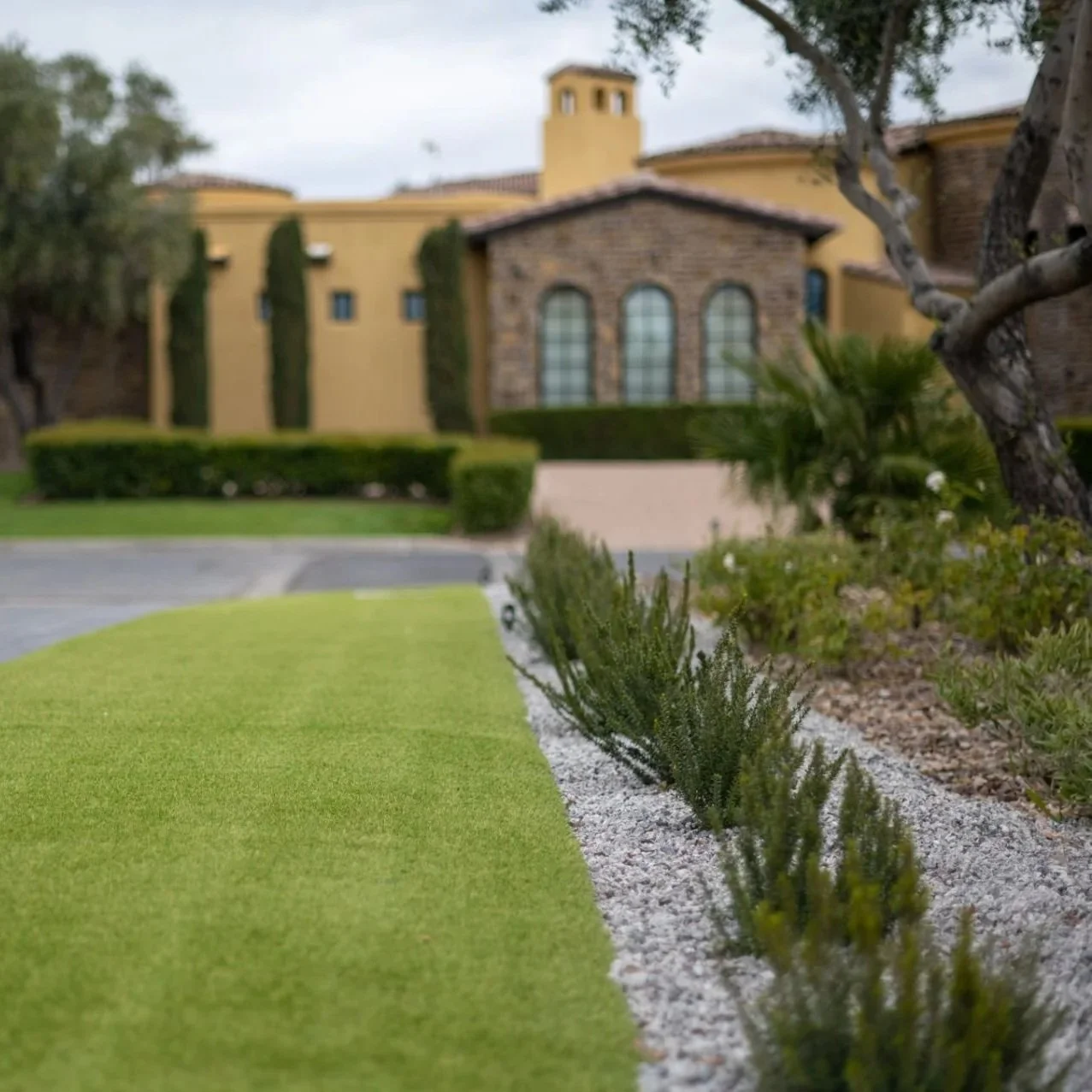
It is not glamorous, but it is the difference between a lawn that looks tired in two years and one that keeps its good looks for over a decade.
Artificial turf might look like it is all about the blades, but the unsung hero hiding beneath the surface is the infill. Without it, turf blades collapse, comfort disappears, and the lawn feels more like a rough welcome mat than a plush green carpet. Infill inspection is the professional's way of keeping turf performance at its best year after year. It is not glamorous, but it is the difference between a lawn that looks tired in two years and one that keeps its good looks for over a decade.
The Role Of Infill In Turf Systems
Infill works as the invisible backbone of synthetic turf. It sits between the blades, giving them structure and bounce. Without it, blades lean, mat, and wear down quickly. Infill also cushions every step, making the surface safer for kids and pets. During an infill inspection, professionals measure depth, look for compaction, and check distribution. Uneven or depleted infill weakens turf performance, so correcting it keeps the lawn springy and natural underfoot.
Why Turf Without Infill Loses Performance
Imagine standing on turf where the blades lie flat, as if they'd given up on life. That happens when infill is missing or compacted. Blades need infill around them to stay upright, and when that balance disappears, the lawn loses its bounce and natural look. Turf without enough infill also heats up faster, shifts under pressure, and becomes slippery. Regular infill inspection prevents these problems by verifying the lawn's backbone remains in good condition.
Compaction Problems That Hide In Plain Sight
Over time, infill compacts under foot traffic, rain, and general use. Compaction creates hard spots that make the turf uncomfortable and even hazardous. The surface might feel more like concrete than grass, increasing the risk of slips or falls. Professionals use tools and grooming equipment to loosen compacted infill, restoring the cushion that makes artificial turf appealing in the first place. An inspection spots these hidden trouble zones early so they can be treated before they become permanent.
How Weather Influences Infill
Rain, wind, and seasonal changes all affect infill levels. Heavy rain can wash infill away, leaving blades unsupported. Dry climates may lead to dusty buildup, while wind often redistributes material unevenly. Seasonal infill inspection keeps turf balanced against these forces. Professionals check whether the weather has shifted or thinned the infill, then top it up or redistribute it to restore even coverage. Without inspection, lawns slowly lose their structure and performance without the homeowner noticing until it is too late.
The Connection Between Infill And Blade Longevity
Turf blades cannot thrive without proper infill. When infill levels drop, blades bend and fray, making the turf look older than it is. Proper infill not only supports the blades but also reduces friction, thereby reducing wear. During an infill inspection, professionals confirm that blades are cushioned and standing upright, giving the lawn a uniform look. Regular inspection extends blade life significantly, resulting in long-term savings for homeowners.
The Comfort Factor Everyone Notices
People do not always realize why one turf lawn feels amazing while another feels stiff and lifeless. The secret is almost always infill health. Balanced infill delivers a surface that feels soft enough for bare feet but firm enough for backyard soccer. Without inspection, those comfort levels fade, leaving a yard that feels off even if it still looks green. Professional infill inspection restores that "wow" factor underfoot, giving homeowners and guests the best experience every time they step outside.
Pet And Kid Traffic That Accelerates Wear
Pets, kids, and backyard athletes speed up the breakdown of turf systems. Their constant running, sliding, and scratching moves infill out of place, creating weak spots. An infill inspection identifies where traffic has created dips or bare patches. Professionals redistribute the material, refill as needed, and brush blades back to attention. That way, even the busiest backyard stays balanced and inviting, rather than looking like it is suffering from permanent damage.
Why Infill Type Matters
Not all infill materials behave the same way. Some lawns use crumb rubber, others use silica sand, and eco-friendly options such as cork or coated sand are becoming increasingly popular. Each has different settling and compaction tendencies. Professional infill inspection accounts for the material type and adjusts methods accordingly. Without this specialized knowledge, DIY attempts often fail to balance the lawn properly. Knowing what material is in play helps keep blades supported and performance consistent.
How Infill Affects Safety
Beyond appearance and comfort, infill inspection improves safety. Uneven or low infill creates tripping hazards, unstable footing, and harder surfaces. For families with active kids or pets, that can mean more falls and more injuries. By balancing infill depth and distribution, professionals restore shock absorption and stability. The result is a yard that is not only beautiful but also safe for running, jumping, and playing.
The Heat Factor Homeowners Forget
Artificial turf can heat up under the sun, but proper infill levels help regulate temperature. Light-colored or cooling infill materials reduce heat buildup, keeping surfaces more comfortable during summer. When infill shifts or thins, heat rises quickly, creating an unpleasant surface. Infill inspection verifies the turf has even coverage, helping keep temperatures more manageable. Without this service, homeowners often wonder why their turf suddenly feels scorching in certain spots.
Signs That Turf Needs Infill Inspection
Professional turf technicians look for specific signs when inspecting infill. Blades lying flat, uneven footing, visible seams, or excessive shine all indicate infill trouble. Hard patches or slippery surfaces also give away hidden compaction. Homeowners might only notice that the lawn feels different, while professionals know how to interpret the clues. An inspection reveals the root cause and provides the fix before the problem spreads across the entire lawn.
Why Professional Infill Inspection Is Worth It
DIY methods like spreading a bag of sand or brushing blades with a broom cannot replace professional service. Infill inspection requires measuring tools, grooming machines, and the expertise to restore balance without damaging the turf. Professionals work systematically across the lawn, correcting depth, distribution, and blade support in one session. The result is a lawn that feels uniform, looks flawless, and performs better for years.
The Cost Savings Of Routine Inspection
Skipping infill inspection often leads to expensive repairs. Turf with collapsed blades or damaged infill systems might require partial replacement, which costs far more than routine maintenance. Professional inspection serves as preventive care, helping small issues from turning into major expenses. Investing in inspection now saves homeowners from writing larger checks later. Turf performance lasts longer, which protects the initial investment.
Why Seasonal Inspection Keeps Turf Strong
Just as seasonal blade checks revive turf, seasonal infill inspection keeps the hidden structure healthy. Spring is ideal for addressing winter compaction and redistributing material before summer play begins. Fall inspection repairs the wear from months of activity, prepping the lawn for cooler months. Two seasonal checkups each year keep infill balanced, blades upright, and turf performance consistent. Without them, turf slowly loses its durability and comfort.
The Aesthetic Benefits You Cannot Miss
A well-maintained infill system directly affects how turf looks. Even distribution keeps blades upright and prevents shiny or patchy areas. Proper infill creates a consistent texture and color that more closely resembles natural grass. Guests might not know infill inspection happened, but they will notice how healthy and vibrant the lawn appears. Aesthetic value is a key reason homeowners appreciate professional services, even when the work itself takes place below the surface.
Infill Inspection As Preventive Turf Care
Infill inspection may not be the flashiest service, but it is the foundation of lasting turf performance. It keeps blades upright, surfaces comfortable, and lawns safe. It extends the lifespan of artificial turf while protecting homeowners from costly repairs. Professionals use specialized knowledge and tools to monitor and correct issues, creating a yard that stays as inviting years later as it did on day one. For homeowners who want a lawn that lasts, infill inspection is the quiet champion working underfoot.
TurfWash is a family-owned, licensed, bonded, and insured artificial turf cleaning company that uses an all-natural, 10-step cleaning process for elimination of bacteria and viruses. Call today to book a service.
