
Life Inspection Explained: How to Spot Turf Trouble Before It Spreads
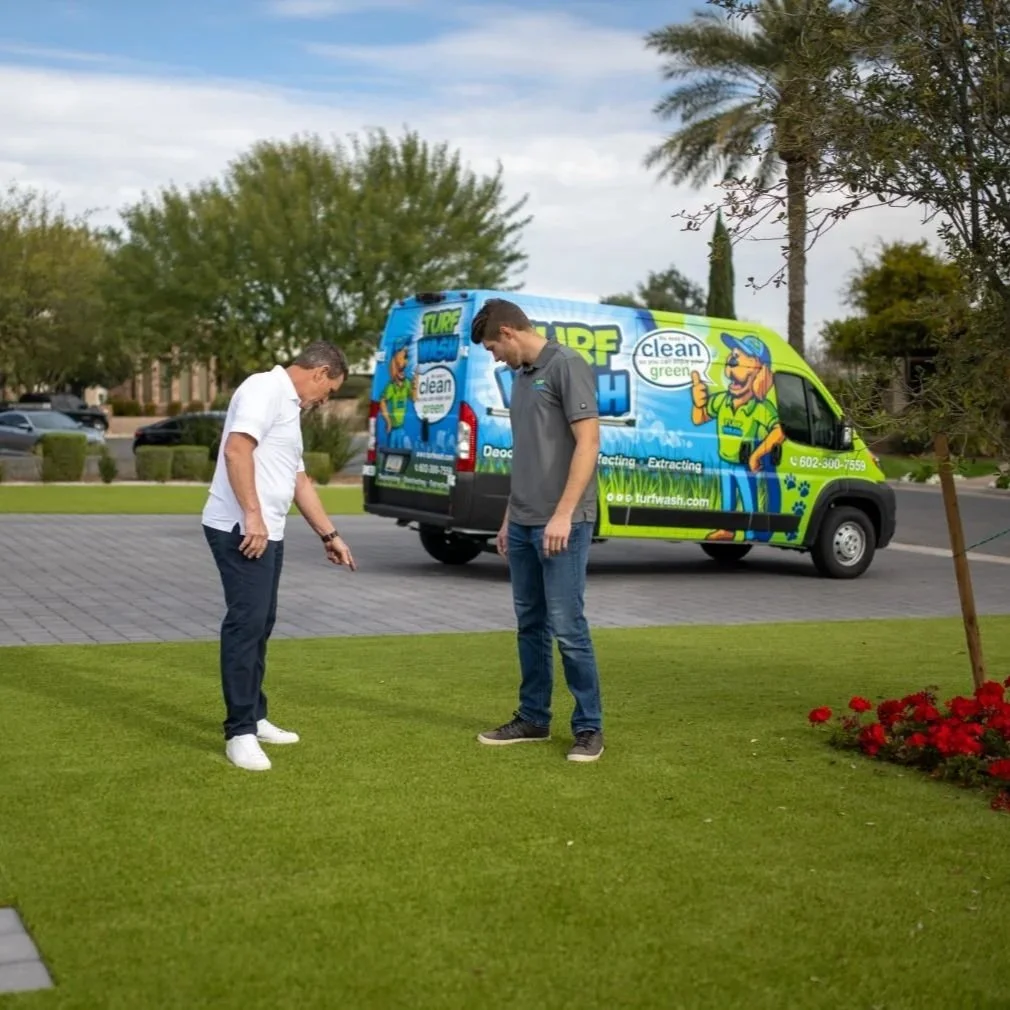
Just like a health checkup, it focuses on spotting early warning signs before they spiral out of control.
Artificial turf looks deceptively simple, but beneath the green surface lies a complex system that requires professional attention. Life inspection is the process that keeps small issues from turning into expensive turf replacements. Just like a health checkup, it focuses on spotting early warning signs before they spiral out of control. Homeowners who invest in routine lawn inspections enjoy longer-lasting turf, fewer surprises, and a lawn that always looks lively rather than limp.
Why Turf Life Inspection Matters
Artificial turf systems are designed to last, but their performance depends on ongoing care. Life inspection is the professional’s way of evaluating turf health at every layer. It covers blades, infill, seams, backing, and drainage. By looking at the whole system instead of just the surface, professionals identify problems while they are still manageable. That proactive approach saves time, money, and stress while keeping the lawn looking as good as the day it was installed.
The Early Warning Signs Professionals Watch For
Turf rarely fails overnight. Most problems start small and build over time. Life inspection focuses on subtle details like slight discoloration, uneven patches, or blades lying flatter than usual. Professionals also look for fraying at the tips, thinning infill, and seams starting to separate. Catching these early makes a huge difference because small adjustments keep the turf strong, while ignoring them allows damage to spread across the lawn.
How Blades Reveal Turf Trouble
Turf blades act like the first indicator of underlying issues. When blades lean or flatten, it often points to problems with infill support. Discoloration may signal UV stress or contamination. Frayed or split tips mean wear is accelerating faster than normal. During life inspection, professionals brush blades upright, check for brittleness, and evaluate how they interact with the infill. Healthy blades stand tall, reflect light naturally, and maintain a consistent green tone.
Infill Issues That Hide Below The Surface
Life inspection goes beyond blade appearance to check infill distribution and condition. Compacted or displaced infill makes turf harder, less comfortable, and less safe. It also leaves blades without the support they need. Professionals measure infill depth, loosen compacted areas, and redistribute material to create balance. Without these corrections, blades collapse, surfaces become slippery, and the turf loses its resilience. Infill inspection within a life inspection is a crucial step in long-term turf performance.
Seams And Edges That Signal Weakness
Edges and seams often reveal the first signs of turf aging. Lifting seams, frayed edges, or visible lines mean the turf is starting to separate. Once seams open, they invite debris, weeds, and moisture that damage the backing. Life inspection pays close attention to these areas, reinforcing them before problems spread. Professionals reseal or tighten seams during maintenance, keeping the surface smooth and safe for play, lounging, or backyard events.
Backing Integrity And Why It Matters
The backing is the foundation of the turf, and once it starts to fail, the entire system weakens. Professionals check backing for cracks, warping, or moisture damage during a life inspection. Strong backing keeps blades aligned and prevents the surface from shifting. Early detection of backing issues makes repairs possible before replacement becomes necessary. Without inspection, backing damage can go unnoticed until it is too late to fix.
Drainage And Turf Longevity
Water drainage is easy to overlook, but it plays a big role in turf health. Poor drainage creates puddles, algae growth, and foul odors. Standing water also accelerates wear and damages infill. During life inspection, professionals test how well the system drains after rainfall or irrigation. They may adjust the base or apply treatments to restore proper flow. By addressing drainage issues early, inspections extend turf life and keep surfaces usable year-round.
The Role Of Weather In Turf Wear
Seasonal weather leaves fingerprints on artificial lawns. Sun exposure can fade blades, while rain shifts infill and encourages bacteria. Winter frost may stiffen fibers, leading to breakage. A life inspection evaluates how the weather has affected the turf and applies treatments or adjustments accordingly. Protecting turf against environmental stress keeps it looking vibrant longer and prevents small issues from escalating into system-wide problems.
Why Traffic Patterns Need Monitoring
Families, pets, and gatherings all leave marks on turf performance. High-traffic areas develop compacted infill, flattened blades, and worn seams faster than less-used spots. Life inspection identifies these patterns and targets them with brushing, grooming, and material redistribution. The process evens out wear so the whole lawn maintains a uniform appearance. Without this attention, turf often shows its age unevenly, with some areas looking far older than others.
How Life Inspection Extends Turf Lifespan
Routine life inspection acts like preventive medicine for artificial lawns. Each inspection addresses multiple layers of turf health, from blades to drainage. By correcting small issues early, it prevents premature breakdown. Artificial turf is a long-term investment, and inspection helps preserve it. Homeowners save money in the long run because minor repairs and adjustments cost far less than replacing sections of turf or the entire system.
The Health And Safety Benefits
Turf life inspection also contributes to health and safety. Flattened blades combined with compacted infill create slick surfaces that increase the risk of slips. Frayed edges can scrape skin during play. Standing water caused by poor drainage can harbor bacteria. Regular inspection corrects these hazards, keeping the lawn safe for kids, pets, and visitors. The added comfort of a well-maintained surface makes outdoor living more enjoyable.
The Aesthetic Value Of Regular Inspection
Nothing says “low maintenance” like a lawn that always looks green and uniform. Life inspection makes that look possible. Upright blades, consistent color, and smooth seams create a natural appearance that impresses neighbors and guests. Even if the work behind the scenes goes unnoticed, the results speak for themselves. Aesthetic value is one of the most appreciated benefits of turf inspection, especially for homeowners who host gatherings or simply enjoy a polished yard.
When To Schedule Turf Life Inspection
Most professionals recommend at least two life inspections per year, usually in spring and fall. That schedule addresses seasonal wear and prepares the turf for heavy use. Lawns with pets, sports, or constant gatherings may need quarterly inspections to stay in top shape. The exact timing depends on usage and climate, but consistent inspection creates a rhythm of care that prevents long gaps where problems can develop unnoticed.
Why Professional Life Inspection Beats DIY
While homeowners might notice obvious problems, professionals are trained to catch the subtle signs. Life inspection requires specialized tools for measuring infill, grooming blades, and testing drainage. Professionals also know how to adjust turf systems without causing accidental damage. DIY attempts often miss hidden issues or make problems worse. Professional inspection provides accuracy, expertise, and long-lasting results that go far beyond a surface clean.
The Long-Term Payoff Of Life Inspection
Artificial turf is meant to last, but only when properly maintained. Life inspection protects the lifespan by addressing every layer of the system. From preventing blade collapse to reinforcing seams and improving drainage, the service covers every detail that keeps turf strong. Homeowners who schedule regular inspections enjoy not only a beautiful lawn but also peace of mind, knowing that small issues are addressed before they spread. Life inspection is the quiet yet essential service that enables lasting turf performance.
TurfWash is a trusted name when it comes to artificial turf cleaning in the Phoenix Metro area. We are licensed, bonded, and insured, and use eco-friendly cleaning products and processes that are 100% safe for pets. Count on us to ensure 100% customer satisfaction. Call today to book a service.
