
Spring Check, Fall Tune: Why Turf Blade Inspection Keeps Your Lawn Looking Alive All Year
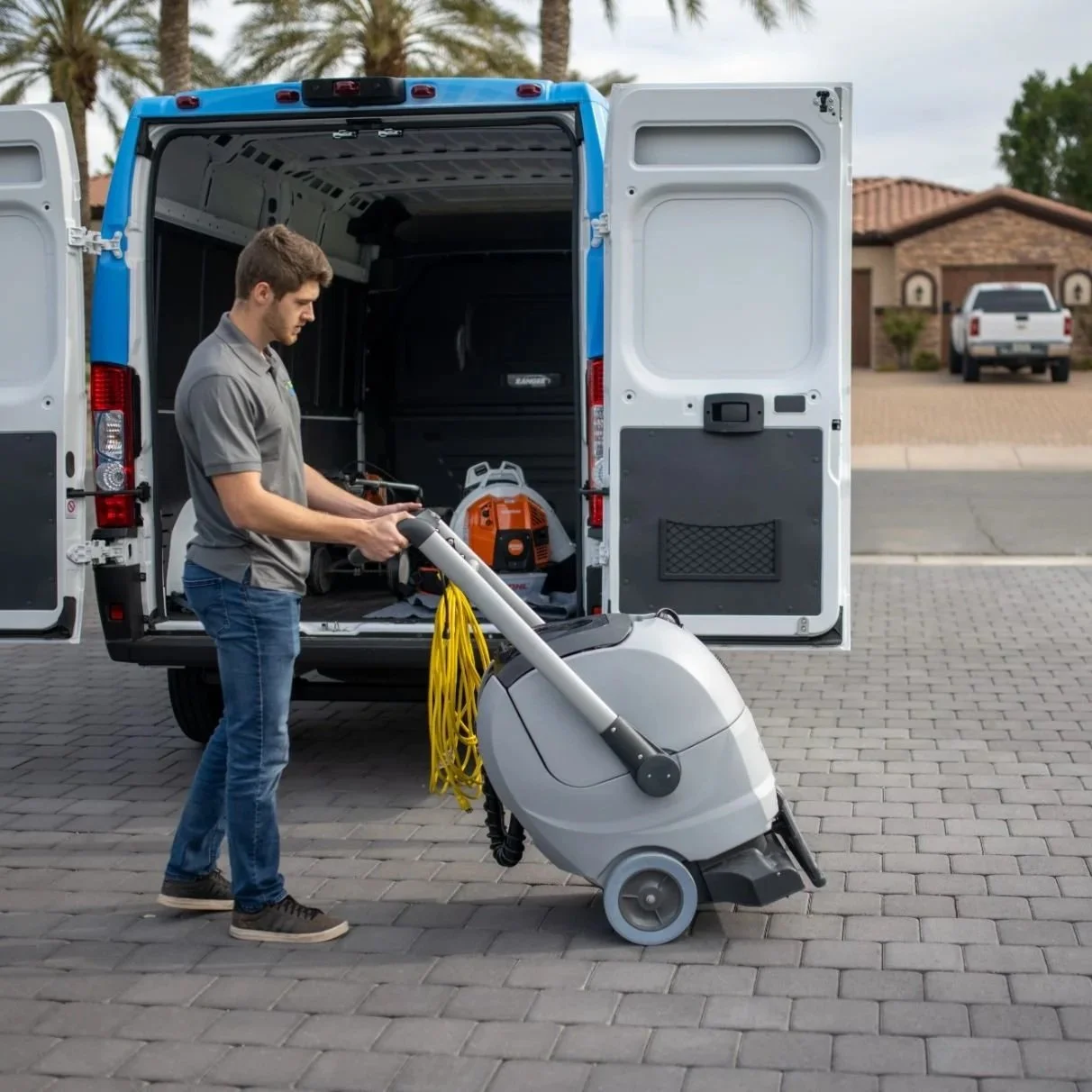
Just as teeth need flossing and the occasional polish, synthetic turf blades need monitoring, grooming, and fine-tuning to keep the whole yard lush instead of tired.
The artificial lawn might look low maintenance, but it thrives on regular attention. Turf blade inspection plays a bigger role than most homeowners realize. Think of it as a checkup for your lawn’s smile. Just as teeth need flossing and the occasional polish, synthetic turf blades need monitoring, grooming, and fine-tuning to keep the whole yard lush instead of tired. Professionals make a seasonal routine out of it, catching wear and tear before it turns into a full-scale turf drama.
Why Turf Blades Matter More Than You Think
Turf blades may look like green plastic soldiers standing in neat rows, but they do a lot of work. They take on foot traffic from kids, pets, and barbecues. They absorb sunlight, rain, and random spills. Over time, they lean, mat down, or even break. A turf blade inspection is designed to catch these changes early. Professionals look for flattening, fraying, or discoloration and then treat the blades to revive their spring. Healthy blades stand tall, reflect light naturally, and keep the entire surface looking uniform.
The Difference A Seasonal Check Makes
Spring and fall stand out as prime seasons for turf blade inspection. In spring, lawns wake up from winter wear. Even artificial turf collects dust, debris, and compacted infill during colder months. A spring check addresses compacted blades and prepares the surface for summer activity. Fall inspection focuses on the aftermath of heavy use. After months of cookouts, sprinkler splashes, and soccer scrimmages, turf blades often need extra grooming to bounce back. Pairing blade inspection with seasonal maintenance keeps the lawn fresh instead of faded.
Signs Blades Are In Trouble
Lawns often send subtle distress signals. Blades lying flat like they’re taking a nap usually mean the infill has shifted or compacted. Shiny or grayish patches may indicate that UV exposure is wearing down the fibers. Frayed tips look messy and shorten the turf's lifespan. Professionals spot these issues quickly, but homeowners often overlook them until the lawn looks patchy. Regular turf blade inspection acts as a magnifying glass, revealing small problems before they become costly repairs.
Why Professional Inspection Beats DIY
Sure, anyone can bend down and poke at a blade, but professional turf inspections go deeper. Trained eyes know how to distinguish between natural settling and a sign of blade fatigue. Professionals use specialized brushes, groomers, and cleaning equipment designed to restore fibers rather than damage them. They also know how to balance infill levels so blades stand upright without being overstuffed. The difference shows up instantly in the way the lawn feels underfoot and how evenly it reflects light.
The Role Of Infill In Blade Health
Blades lean on infill for support. When infill compacts or washes away, blades collapse and lose their bounce. During a turf blade inspection, professionals check infill depth and distribution. They add material where needed and loosen compacted areas so blades can breathe. Balanced infill also prevents weeds from sneaking through and keeps the surface cooler in summer. Skipping inspection means infill problems go unnoticed until blades look like they’re melting into the ground.
The Impact Of Foot Traffic
Backyards serve as playgrounds, party zones, and pet racetracks. Heavy foot traffic presses blades flat, creating paths that look worn long before the turf’s time. A turf blade inspection identifies high-traffic areas and restores them with brushing techniques that re-train blades to stand upright. Sometimes, infill redistribution helps evenly distribute pressure. Without regular inspection, those traffic marks become permanent scars that no amount of raking can hide.
Weather’s Sneaky Influence
Even artificial lawns react to weather changes. Summer heat can soften fibers, while cold snaps make them brittle. Rain washes infill away and encourages algae growth in shaded spots. Seasonal inspections help catch weather damage in progress. Professionals apply treatments to protect blades against UV fading or moisture damage. A lawn may not complain out loud, but weather leaves fingerprints on the blades that a trained technician knows how to read.
How Inspections Extend Turf Lifespan
Artificial turf is an investment meant to last years, not months. Routine turf blade inspections act like an insurance policy on that investment. By identifying worn blades, uneven infill, or damage early, professionals extend the overall life of the lawn. Replacing a full section of turf costs far more than maintaining blades regularly. Consistent inspections keep blades resilient, so the entire surface holds its appearance and function for much longer.
The Cleaning Bonus That Comes With Inspection
Turf blade inspection usually goes hand in hand with cleaning services. Technicians remove debris, brush fibers upright, and sometimes apply anti-bacterial solutions. The combination of inspection and cleaning means blades not only stand taller but also smell fresher and feel cleaner. That matters when kids roll around on the lawn, or pets treat it as their personal lounge. Regular professional attention creates a turf surface that looks polished and feels inviting.
Edge Areas Need Special Attention
Blades at the lawn’s edge face more stress than those in the middle. They’re exposed to edging tools, more foot traffic, and sometimes pet scratching. Professionals know to give these areas extra inspection. Weak edges can unravel or lift, exposing seams that ruin the uniform look. With careful monitoring and reinforcement during inspection, blades along the borders remain just as strong as those in the center.
The Aesthetic Payoff
A turf blade inspection delivers more than durability. It creates a lawn that looks consistently green and photo-ready. Upright blades catch sunlight in a natural way, avoiding the shiny plastic look of neglected turf. Guests notice the difference instantly, even if they can’t put their finger on why the lawn looks so good. For homeowners who value curb appeal or like to host backyard gatherings, the aesthetic payoff makes inspection worth scheduling.
How Often To Schedule Turf Blade Inspection
Professionals typically recommend at least two inspections a year, usually in spring and fall. Some high-traffic lawns benefit from quarterly checks, especially if pets or sports put extra strain on the turf. Consistent inspection keeps blades in their best condition while catching small issues before they escalate. Professionals adapt the schedule based on lawn use and local weather patterns, making the service as customized as the landscape itself.
Why DIY Cleaning Isn’t Enough
Homeowners sometimes think a quick rinse with a hose or a pass with a leaf blower keeps the lawn in shape. While those steps help, they don’t address the deeper issues affecting blade health. Turf blade inspection looks at structure, support, and resilience, not just surface debris. Without inspection, problems like compacted infill or UV damage continue silently until the lawn suddenly looks old before its time.
The Connection To Safety And Comfort
Beyond looks, turf blade inspection improves safety and comfort. Flattened blades combined with compacted infill create slippery surfaces. Frayed blades can feel rough against skin, making playtime less enjoyable for kids. By restoring blade structure and balance, inspections make the lawn safer to run across and softer to lounge on. Families benefit from a yard that looks beautiful and is also practical.
Professional Turf Blade Inspection As Preventive Care
Much like regular doctor visits prevent bigger health problems, turf blade inspections prevent major turf issues. Routine attention keeps blades lively, upright, and clean, all while extending the lawn’s lifespan. The process blends grooming, cleaning, and structural support in one service. For homeowners who want a yard that consistently turns heads, turf blade inspection acts as a quiet but powerful partner in lawn care.
TurfWash is a reputed company in the Phoenix Metro area, offering safe, odorless artificial turf cleaning. We are a family business that has over 30 years of experience in the artificial turf industry. We take pride in our in-depth knowledge of artificial turf and our passion for providing excellent service. Give us a call today.
