
Edge Repair Mistakes That Shorten the Life of Your Turf
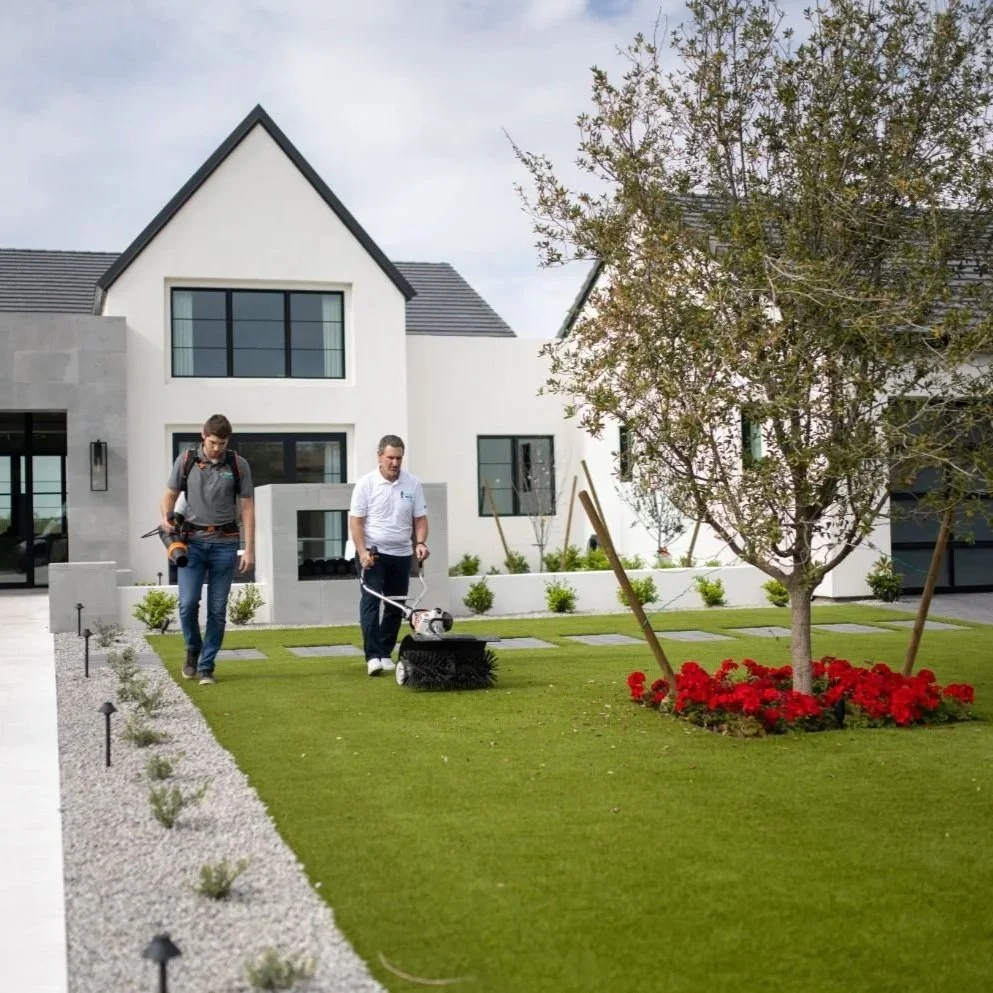
Edge repair mistakes are easy to make, and once they occur, the lawn starts to lose its crisp look and long-term durability.
Artificial turf may be tough, but its edges are where weakness often shows first. Edge repair mistakes are easy to make, and once they occur, the lawn starts to lose its crisp look and long-term durability. Professional services focus on correcting and preventing these slipups so the turf system holds together. The border may seem like a minor detail, but the truth is that edge repair determines how long the entire lawn lasts and how well it looks while it's being done.
Why Turf Edges Matter
Edges are more than just the finishing touch. They act as the anchor that keeps the turf system stable. Without strong edges, blades unravel, seams separate, and the surface shifts under pressure. Turf edge repair requires precision and the right tools, because a mistake here has ripple effects across the entire surface. A perfect center does not matter if the borders fall apart. That is why professional edge repair is such a critical piece of turf maintenance.
Cutting Corners With Poor Preparation
One of the most common edge repair mistakes is failing to prepare the area properly. Skipping steps like cleaning debris, leveling the base, or removing weeds leads to weak adhesion. Turf edges placed on an unstable base will eventually lift or shift. Professionals always prepare edges carefully before starting repair, because a clean and even foundation prevents premature breakdown. Rushed prep may save a few minutes now, but costs years of turf life later.
Using The Wrong Adhesives Or Fasteners
Edges depend on strong bonding, and not all adhesives or fasteners are created equal. Some homeowners attempt quick fixes with generic glues or nails, but those options fail under weather, moisture, and pressure. Edge repair requires adhesives designed specifically for turf or secure staples that withstand outdoor conditions. Professionals choose materials that match the turf system and climate, making the repair long-lasting. Poor bonding is one of the fastest ways to shorten turf life, especially along the perimeter.
Ignoring Seam Overlap
Edges often meet seams, and that intersection needs careful attention. Failing to overlap seams properly creates weak spots where turf pulls apart. Gaps develop, allowing debris and water to seep through. A professional edge repair includes precise seam placement and strong bonding so the turf looks uniform and holds together under stress. Overlooking seam overlap may seem like a small error, but it can unravel a large section of turf if left unchecked.
Leaving Edges Exposed To Traffic
Edges naturally experience more foot traffic, whether from pets, kids, or lawn equipment. One mistake is failing to account for that pressure. When edges are not reinforced or protected, they fray and separate quickly. Professionals handle this by securing edges tightly, brushing blades upright, and sometimes adding extra infill along the border. Protecting edges from pressure damage strengthens the entire lawn. Skipping that step almost guarantees early wear and tear.
Failing To Secure Against Weather
Weather takes its toll on turf edges. Heat softens adhesives, cold makes backing brittle, and rain loosens materials. A poor repair job leaves edges vulnerable to lifting with each season. Professionals apply weather-resistant adhesives and compact the edges tightly to resist shifting. They also design the repair with local conditions in mind. Mistakes in this area cause edges to peel back like old wallpaper, ruining the turf’s appearance and shortening its life.
Neglecting Drainage Around Edges
Edges near driveways, patios, or low spots are especially vulnerable to water buildup. Failing to check drainage during edge repair creates long-term issues. Standing water weakens adhesives and encourages mold growth. Professionals inspect how water flows around the perimeter, making adjustments to keep edges dry and stable. Ignoring drainage may not show up immediately, but over time, it undermines the repair and damages both the border and the turf system.
Overlooking The Aesthetic Finish
Edge repair is not just structural; it also affects appearance. Mistakes like uneven cuts, misaligned blades, or visible adhesive make the lawn look sloppy. Professional services focus on seamless blending so edges look natural and clean. Aesthetic finish matters because edges frame the entire lawn. A rough or uneven border draws the eye immediately and diminishes the overall appeal. Skipping attention to detail here costs homeowners the polished look they invested in.
Using Improper Tools For The Job
Edge repair requires precision cutting tools, seam rollers, and adhesives designed for turf systems. One mistake is relying on household tools like box cutters or hardware-store staples. Those shortcuts lead to uneven edges, weak adhesion, and long-term damage. Professionals use specialized equipment to make clean cuts, apply adhesive evenly, and compact edges securely. Using the wrong tools is one of the quickest ways to shorten turf life while also creating a messy appearance.
Forgetting To Reinforce High-Stress Corners
Corners and curves are especially vulnerable to lifting and fraying. A common repair mistake is treating them the same as straight edges. Professionals know corners require extra reinforcement with adhesives and fasteners, along with careful trimming for a tight fit. Neglecting these areas leads to visible gaps and premature breakdown. Strong corners keep the turf system looking sharp, while weak ones make the lawn unravel faster than expected.
Failing To Match Repair With Turf Type
Not all turf systems use the same materials, backing, or infill. Edge repair mistakes often come from applying one-size-fits-all solutions. Using the wrong adhesive for a specific backing or ignoring blade type leads to mismatched repairs that do not last. Professionals tailor each edge repair to the turf system, matching materials so the repair blends seamlessly. When repairs do not align with the original turf design, the lifespan of the entire lawn suffers.
Why Professional Edge Repair Makes The Difference
Edge repair may look simple, but mistakes compound quickly. A weak edge becomes a lifted seam, which invites moisture, which damages backing, which eventually leads to full turf replacement. Professional edge repair eliminates that chain reaction by using the right preparation, tools, adhesives, and finishing techniques. The difference is a lawn that looks flawless and holds strong through traffic, weather, and time. Homeowners who invest in professional service protect their turf investment while avoiding the frustrations that come from short-lived repairs.
The Payoff Of Strong Turf Edges
Edges frame the lawn, and when they are secure, the entire surface benefits. Professional edge repair extends turf life, preserves comfort, and maintains aesthetics. It prevents the small mistakes that shorten lifespan and lead to costly replacements. With attention to preparation, bonding, drainage, and finish, the lawn holds together as a unified system. Strong edges mean turf stays durable, safe, and beautiful for years. Edge repair done right is not just a detail; it is the key to long-lasting turf performance.
Additional Benefits Of Proper Edge Repair
Strong turf edges also improve usability. A secure edge creates a seamless transition between turf and hardscape, like patios, sidewalks, or pool decks. That reduces tripping hazards and makes the yard feel cohesive. Well-executed repairs also stop weeds from sneaking in at the border, which keeps the lawn looking polished without extra effort. For families with pets, sturdy edges prevent claws from pulling fibers loose, which means fewer repair calls in the future. Professional attention to edges provides peace of mind and a yard that functions as well as it looks.
How Regular Inspections Support Edge Health
Even well-repaired edges benefit from routine inspection. Professionals often include edge checks during seasonal maintenance. They look for early lifting, seam stress, or adhesive breakdown before it becomes noticeable to homeowners. Catching problems early makes repairs quicker and less invasive, while also extending the life of the turf. Regular inspection paired with quality edge repair creates a long-term system that holds its shape, strength, and beauty across years of use.
Why DIY Edge Repair Rarely Lasts
Homeowners tempted to patch edges on their own often find the results short-lived. Without the right adhesives, tools, or techniques, DIY fixes usually peel within weeks or months. Many times, a rushed repair creates more damage than professionals later have to correct. Turf is an investment, and edge repair is one of the areas where expertise makes the biggest difference. Leaving the job to trained professionals ensures edges are secure, seamless, and built to last.
The Big Picture Of Turf Performance
Edge repair is one part of a complete turf care system, but it plays a starring role in longevity. Strong edges support blades, infill, seams, and backing by holding everything in place. Mistakes along the borders eventually weaken the center, so investing in proper repair protects the whole lawn. Homeowners who rely on professional edge repair enjoy a turf system that performs better, lasts longer, and always looks like the centerpiece of their outdoor space.
TurfWash is a family-owned, licensed, bonded, and insured artificial turf cleaning company that uses an all-natural, 10-step cleaning process for elimination of bacteria and viruses. Call today to book a service.
