
Common Edge Issues and How to Fix Them Before They Worsen
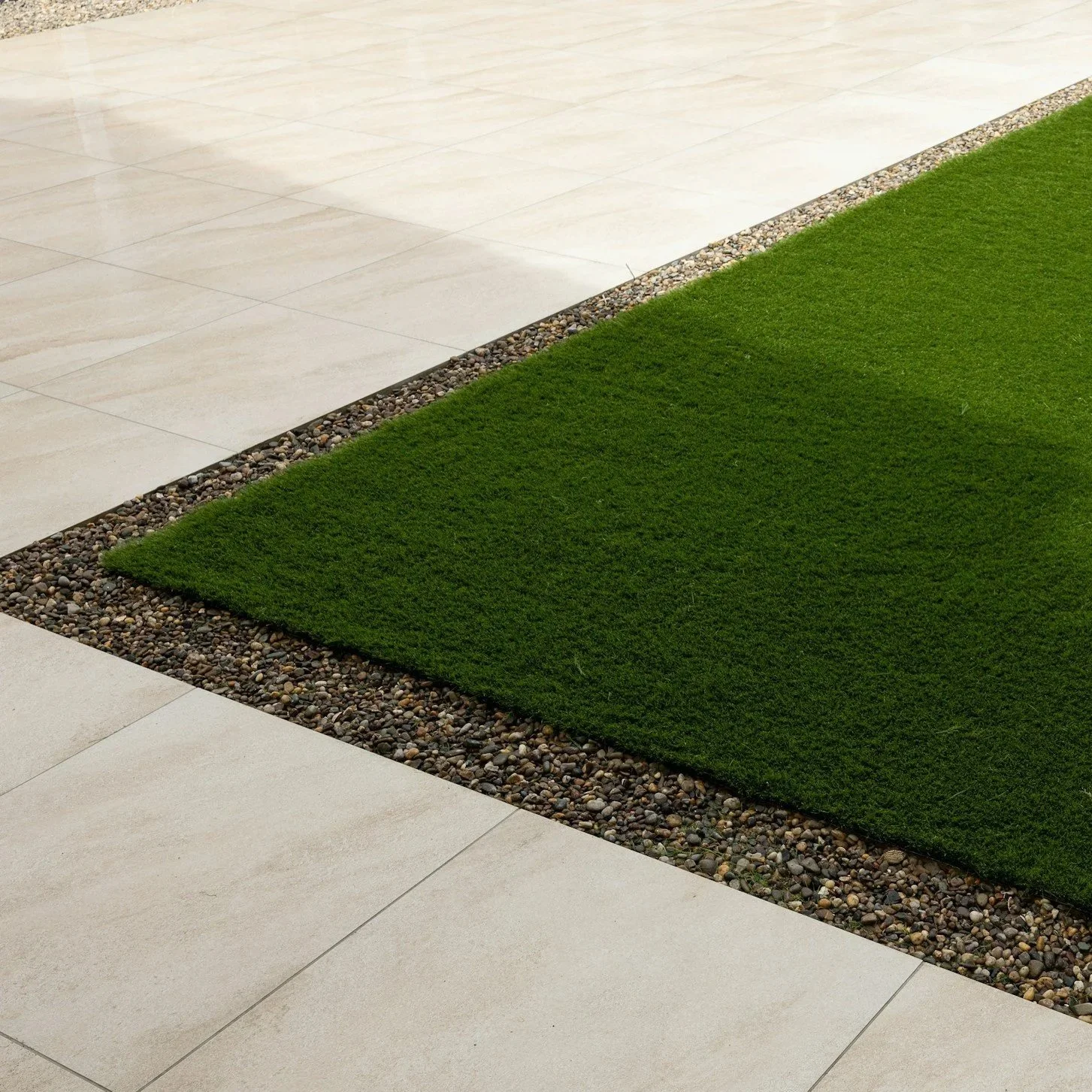
While these concerns may seem minor at first, they can quickly escalate if not addressed quickly.
Artificial turf is an excellent addition to any home or business, offering a vibrant, low-maintenance lawn that looks pristine year-round. However, like any surface, turf is prone to certain wear. One of the most common areas where problems arise is at the edges. While these concerns may seem minor at first, they can quickly escalate if not addressed quickly. Keeping an eye on common edge problems and fixing them before they worsen can help maintain the integrity of your turf, saving both time and money in the long run.
Lifting Edges
Lifting edges are among the most common problems with artificial turf. Over time, the edges may begin to pull away from their secure position, often due to foot traffic, heavy equipment, or improper installation. The separation between the turf and the ground becomes noticeable, creating gaps where dirt and debris can accumulate. If left unchecked, lifting edges can lead to further turf damage and create an uneven surface that may result in safety hazards.
The solution is relatively simple: addressing the issue as soon as it appears. Professional turf experts can lift the turf back into place, clean the area, and resecure the edges using specialized materials. Using a stronger adhesive or additional fasteners will help keep the edges secure for longer. A quick fix at the onset of lifting can prevent the edges from becoming a bigger problem later on, preserving the overall appearance and functionality of the lawn.
Tripping Hazards
Tripping hazards at the edges of artificial turf can occur when the turf shifts or becomes uneven. Over time, movement from foot traffic or from surrounding factors, such as weather changes, may cause parts of the turf to lift or wrinkle. These raised areas pose a tripping hazard for people walking or playing on the turf. While this problem is more commonly seen with poorly installed turf, even well-maintained lawns can develop these issues over time.
It's best to address tripping hazards by securing any lifted areas and ensuring a smooth transition between the turf and the surrounding surface. If any seams have begun to pull apart or edges are shifting, a professional turf expert can realign the sections and verify everything is securely in place. Preventing further shifting can keep the area safe and maintain the aesthetics of your artificial turf.
Weed Growth Along the Edges
Weeds are persistent, and they love to make their way into any surface, including artificial turf. While the turf itself doesn't allow weeds to grow through, the edges are particularly vulnerable. If the edges are not properly sealed, weeds can enter the gaps between the turf and the ground. These unwelcome plants can compromise the lawn's appearance, cause damage, and, if left untreated, even affect the turf's overall stability.
To fix this issue, you first need to address the gaps where the weeds are entering. A thorough inspection will help find any areas where the turf is no longer adequately secured. Once any gaps are located, the turf can be resecured, and the area can be treated to remove the weeds. Professional turf services often apply weed barriers beneath the turf to prevent this issue from occurring again. Regularly checking the edges and maintaining the proper seal can significantly reduce the risk of weed growth along the perimeter.
Water Pooling and Drainage Issues
Proper drainage is critical to keeping artificial turf in good condition. When the edges of your turf start to lift, water may begin to pool, causing damage over time. If water isn't draining effectively, it can also create soggy patches that make the turf feel uneven and uncomfortable. A lack of proper drainage can also cause mold or mildew buildup, which can harm the turf and produce unpleasant odors.
To fix drainage issues, professional turf specialists will inspect the area and assess whether the turf is installed correctly and whether drainage systems are functioning as intended. If the edges are lifting or shifting, it may be necessary to adjust the layout to allow for proper water flow. Once the edges are secured, any existing drainage issues can be corrected, verifying that water flows freely and evenly across the entire surface.
Discoloration and Fading Along the Edges
Artificial turf can fade over time, especially in high-traffic areas or when exposed to the elements. The edges of artificial turf are often the first places to show signs of wear and fading, as they tend to absorb more sunlight or experience more foot traffic. If left unaddressed, this discoloration can detract from your lawn's overall aesthetic, making it look worn-out and patchy.
Restoring the appearance of faded edges can be achieved through professional maintenance, which may include retufting or replacing the edges that have sustained the most damage. Applying a UV-protectant coating to the turf can also help reduce the risk of further fading and discoloration. Keeping the edges looking fresh can help maintain the lawn's overall visual appeal and extend its lifespan.
Preventing Further Damage
The best way to handle common edge issues is to address them as soon as they appear. Regular inspections and maintenance can catch concerns early before they grow into bigger issues that require more costly fixes. Simple tasks such as resecuring lifting edges, clearing debris, and checking for drainage problems can significantly extend the life of your artificial turf. Professional turf cleaning and maintenance services can offer a thorough inspection and fix minor issues before they worsen.
Keeping your artificial turf in tip-top shape also means understanding the importance of quality installation. A well-installed turf system with secure edges and a solid foundation will minimize the risk of future problems. Reaching out to a professional when needed will help you maintain the integrity and appearance of your artificial grass for many years to come.
Conclusion
Common edge issues, such as lifting, tripping hazards, weed growth, water pooling, and fading, can be easily addressed when caught early. Repairing turf edges is straightforward, but neglecting them can lead to bigger problems down the line. Routine inspections and maintenance are key to keeping your artificial turf looking fresh and functioning properly. By staying proactive and seeking professional assistance when needed, you'll guarantee that your artificial lawn remains secure, safe, and beautiful for years.
TurfWash is a reputed company in the Phoenix Metro area, offering safe, odorless artificial turf cleaning. We are a family business that has over 30 years of experience in the artificial turf industry. We take pride in our in-depth knowledge of artificial turf and our passion for providing excellent service. Give us a call today.
